
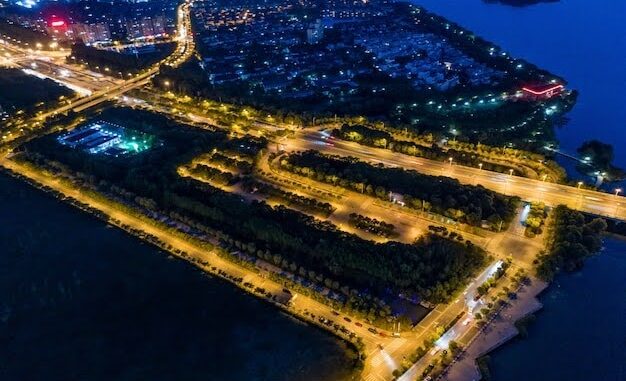
Aerial lighting systems are designed to provide illumination from elevated positions, making them useful for applications such as events, emergency response, construction, infrastructure projects, transportation, and outdoor work. Choosing the right system requires more than simply selecting the brightest available light. Factors such as brightness, coverage, portability, power supply, durability, and control options can significantly affect performance. Understanding these features can help buyers select an aerial lighting system that matches their specific requirements.
1. Brightness and Light Output
One of the most important features to consider is the amount of light a system can produce. A higher light output can be useful when illuminating large outdoor areas or work zones.
However, brightness should be considered alongside coverage and energy efficiency to ensure the system provides useful illumination without unnecessary power consumption.
2. Wide Lighting Coverage
An effective system should provide sufficient coverage for the intended area. Some aerial lighting systems are designed to distribute light across wide spaces, reducing dark spots and improving visibility.
Consider the size and shape of the area that needs illumination before selecting a particular system.
3. Adjustable Light Direction
Adjustability can make a lighting system more versatile. Systems with adjustable fixtures or positioning mechanisms allow users to direct illumination toward specific areas.
Aerial lighting can be particularly helpful for construction sites, emergency operations, or temporary outdoor work where lighting requirements may change.
4. Portability and Easy Setup
For temporary applications, portability can be an important consideration. An aerial lighting system should ideally be easy to transport, position, and prepare for operation. Compact components and practical deployment features can save time when the system needs to be moved between locations.
A lightweight design can make transportation and positioning easier, especially when lighting equipment needs to be moved between different work areas. Quick setup can also help reduce preparation time.
5. Reliable Power Source
Consider how the lighting system receives power. Depending on the model, options may include batteries, generators, electrical connections, or other power systems.
Battery-powered solutions can be useful in locations without convenient access to electricity, while other systems may be better suited to extended operations.
6. Battery Runtime
For battery-powered systems, runtime is an important feature. A system with longer operating time may be more suitable for overnight work, emergency situations, or extended outdoor activities.
Check the manufacturer’s stated runtime and consider how brightness settings and environmental conditions may affect actual performance. It is also helpful to check whether replacement or additional batteries are available for the system. Having spare batteries can help minimize interruptions during longer lighting operations.
Final Thoughts
Choosing the right aerial lighting system involves evaluating brightness, coverage, adjustability, portability, power supply, battery runtime, weather resistance, durability, controls, and safety features. The best system depends on where and how it will be used. Consider the size of the area, expected operating time, environmental conditions, and transportation requirements before making a purchase. Comparing specifications from reputable manufacturers can help buyers identify a system that provides reliable illumination and practical performance for their particular application.