
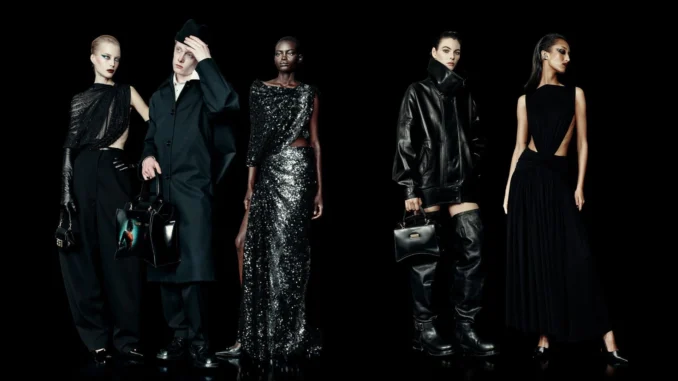
Fashion weeks are like the Super Bowl of fashion, where inspiration is on the catwalk and trends emerge quicker than a snap of the fingers. They’re a showcase of the most stunning and outlandish designs and accessories. They’re not only a showcase for fashion but a cultural event that embodies the spirit of the times.
Fashion Weeks Overview
Fashion weeks are crucial events for designers to showcase new collections. They consist of fashion shows showcasing items that reflect the latest trends and trends to come. These influential events are held in cities such as Paris, Milan, New York and London, highlighting the breadth of fashion talent and creativity. Fashion designers present their collections to the industry, buyers and media, and set the stage for the coming year.
Fashion weeks also have a cultural significance. The exhibits have an impact on consumer fashion and culture. Popular culture and social media pick up on trends showcased in these events. Shows feature diverse aspects, such as themes and artistic installations, reflecting the relationship between fashion and art.
Fashion weeks also have sustainability and diversity goals, tackling modern challenges. Designers promote sustainable practices, using eco-friendly materials. Others prioritise a range of models, embracing different body shapes and ethnicities. This trend is in line with broader cultural shifts, as well as consumer preferences.
People look forward to these events for ideas and inspiration. Bloggers and social media personalities may stream the event, discussing and creating buzz around the trends. The fashion weeks have a ripple effect on other industries, shaping marketing and retail strategies of brands globally. The anticipation for fashion week each season makes it an important event in the fashion cycle.
Key Weeks for Fashion Worldwide
Fashion weeks are a worldwide celebration of style and innovation. Cities around the world provide a platform for designers to present collections that influence the industry.
Fashion Week Highlights in New York
New York Fashion Week showcases both up-and-comers and industry leaders. Urban streetwear remains popular, showcasing the city’s influence. Vibrant tones and textures stand out, while brands such as Tory Burch and Michael Kors lead the way.
The audience enjoys dynamic shows, sometimes with multimedia features. Sustainability is also in focus, with some outfits featuring sustainable materials. Furthermore, inclusivity is key, with models from all backgrounds displaying collections that appeal to a broader audience.
Fashion Week Highlights in Paris
Paris Fashion Week epitomises sophistication and creativity, and presents the best in upmarket fashion. Top designers like Chanel and Louis Vuitton present exquisite collections. There’s a focus on haute couture, with attendees captivated by intricate designs and craftsmanship.
Themes vary from romance to contemporary minimalism, setting trends for the next season. Emphasis on sustainability is prominent, showcasing eco-friendly brands with ethical commitments. Milan is abuzz with excitement as bloggers and journalists report on the event, enhancing its visibility.
Fashion Week Highlights in Milan
Milan Fashion Week’s refined elegance and quality are notable. Italian culture inspires iconic brands such as Gucci and Prada, showcasing quality materials and design. Designs often blend classic and modern elements, catering to diverse preferences.
Memorable fashion shows enchant with elaborate displays. Diversity is evident in the models, with many from various backgrounds taking to the runway. Innovation meets sustainability, as brands embrace environmentally responsible fabric choices and manufacturing practices.
Fashion Week Highlights in London
London Fashion Week is a showcase for avant-garde and diversity. Emerging talents push boundaries, fostering a creative environment. Themes are diverse, from punk to contemporary tailoring.
Innovative textiles dazzle the eyes, with Burberry at the forefront. Fashion week dialogues emphasise diversity and representation. Also, technology is vital, with virtual shows giving fashion lovers more access.
Highlights of Fashion Week Trends
Fashion weeks presented a range of interesting trends. Colours and materials presented new takes on each collection.
Changes in Color
Colors were bright, mirroring an optimism. Electric blue and orange were particularly popular, with an emphasis on liveliness. These hues were made wearable by designers. Natural tones also became popular, signifying a return to nature and eco-friendliness.
Pastels remained a preferred choice offering a softer hue, particularly in spring. Different color combinations spiked interest in styling, appealing to fashion lovers seeking originality.
Innovations in Fabrics
New materials were prominent, revolutionizing the design process. Recycling was a key focus for sustainable textiles, in line with contemporary consumer preferences. Other collections included smart fabrics, blending utility with style.
Sheer fabrics displayed movement on the catwalk, drawing the audience’s eyes. Textures like velvet and leather enhanced designs, blending comfort and sophistication. Comfortable and airy fabrics remained a trend, allowing for practical use while maintaining style.
Prominent Designers
Designers played a key role in influencing current fashion trends, bringing their own perspectives. Icons such as Balenciaga and Gucci played a prominent role, blending innovative and traditional designs. Up-and-comers like Nensi Dojaka brought innovative approaches and emphasised individuality with distinct shapes.
Environmentalists such as Stella McCartney explored the limits of sustainable design, blending it with avant-garde. Such designers engaged with the audience via social media platforms, creating a community. Designers’ work resonated with societal issues such as diversity and sustainability.
Fashion Weeks and Celebrities
Celebrities play a pivotal role in fashion weeks. Their appearances on the catwalk and in the audience draw media coverage, generating buzz for designers and brands. Celebrities such as Rihanna and Zendaya make must-have items. Their selections are featured in the media, further promoting the celebrities and designers.
Collaborations with celebrities are also important. Collaborations tap into celebrity brands and personas, democratising fashion. For example, Adidas and Beyoncé’s collaboration has placed a spotlight on Adidas and Beyoncé’s style. Such collaborations can lead to revenue and social media boosts.
Celebrities’ impact transcends the event. When celebrities and influencers post about their experiences and attire on Instagram, it sets trends that impact consumer spending. Designers increase their brand awareness as their collections are showcased in postings, reaching new consumers.
Fashion week front rows also have their influence. They can influence which fashion shows are given the most attention by the media and the public. Their presence often translates into more social media engagement, promoting discussions about particular collections and trends.
Celebrities also have an impact on sustainability. Celebrities are partnering with environmentally-friendly brands, encouraging their fans to choose sustainable fashion options. This promotes a more conscious approach to consumption, further linking fashion weeks to modern values.
In conclusion, the role of celebrities in fashion weeks is ever-changing, responding to cultural and consumer demands. As trendsetters and influencers, they have a profound impact on the industry, keeping fashion weeks dynamic and relevant.
Fashion weeks are not only displays of artistry but also reflections of societal values and aspirations. With innovative designs and a focus on sustainable practices, the fashion industry meets contemporary consumer expectations. The dynamic nature of these events not only creates trends but also a community of fashion enthusiasts.
Through social media and celebrity endorsements, fashion weeks continue to influence everyday fashion. The buzz around these events will continue to ensure that they remain relevant and at the forefront of fashion, promoting innovation and diversity for years to come. And as the world looks on, these events will continue to have a profound impact.