
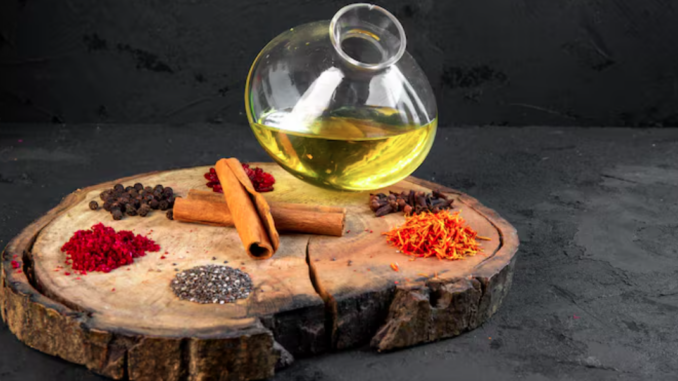
The world of perfumery is vast, but few traditions carry the same level of mystery and opulence as those originating from the Middle East. Unlike alcohol-based sprays that evaporate quickly, oil-based scents offer a concentrated and enduring olfactory experience.
Navigating this market requires an understanding of traditional ingredients and extraction methods. When you are looking for authentic Arabian fragrance oils, it is essential to look beyond the packaging and focus on the technical composition and purity of the product to ensure a premium experience.
Understanding the Profile of Traditional Ingredients
The foundation of Middle Eastern perfumery lies in rich, natural elements such as oud, amber, musk, and Taif rose. These ingredients are known for their depth and complexity. Authentic arabian fragrance oils often feature oud, which is derived from the resinous heartwood of agarwood trees.
High-quality oils will have a multi-layered profile that evolves on the skin over several hours. Before making a purchase, familiarize yourself with these core notes so you can distinguish between natural extracts and synthetic imitations that lack the characteristic warmth of the original.
Evaluating the Concentration and Longevity
One of the primary advantages of an oil-based perfume is its longevity. Since these products do not contain alcohol, they do not dissipate rapidly into the air. Instead, they sit on the skin and are activated by body heat.
A superior oil should last for several hours, and in some cases, a full day. When testing various Arabian fragrance oils, apply a small amount to your pulse points and observe how the scent holds its integrity over time.
A rapidly fading scent usually indicates a high presence of carrier oils and a low concentration of actual perfume essence.
The Role of Purity and Extraction Methods
The method used to extract the essence plays a vital role in the final quality of the fragrance. Steam distillation and cold pressing are traditional techniques that preserve the delicate aromatic compounds of the plants and resins.
You should look for suppliers who are transparent about their sourcing and production processes. Pure Arabian fragrance oils should be free from harsh chemical additives or thinning agents.
High purity not only ensures a more potent scent but also reduces the likelihood of skin irritation for those with sensitive complexions.
Assessing the Texture and Consistency
The physical feel of the oil can tell you a lot about its quality. A premium fragrance oil should have a smooth, slightly viscous consistency that absorbs into the skin without leaving a greasy or sticky residue. If the oil feels too watery, it may have been overly diluted.
Conversely, if it feels excessively thick or tacky, it might contain synthetic thickeners. The ideal oil should glide effortlessly onto the skin, leaving a subtle sheen and a powerful scent trail that remains close to the body.
Importance of Packaging and Storage
Light and heat are the enemies of fine perfumes, as they can cause the chemical bonds in the oil to break down, resulting in a rancid smell. Genuine oils are usually housed in dark glass or ornate metallic bottles designed to protect the contents from ultraviolet rays.
When selecting a product, consider how it has been stored by the vendor. Proper packaging is not just about aesthetics; it is a functional requirement to maintain the chemical stability and aromatic brilliance of the oil over its shelf life.